Reliable Home Builder Services for Your Dream Project
Picking a solid home builder represents a essential step in realizing one's dream home. Vital traits, such as effective project management and honest budgeting, can profoundly affect the final result. In addition, understanding the main services a builder should provide is equally important. As homeowners navigate this demanding process, multiple aspects warrant detailed review. What specific attributes should one focus on when selecting a builder for this substantial expenditure?
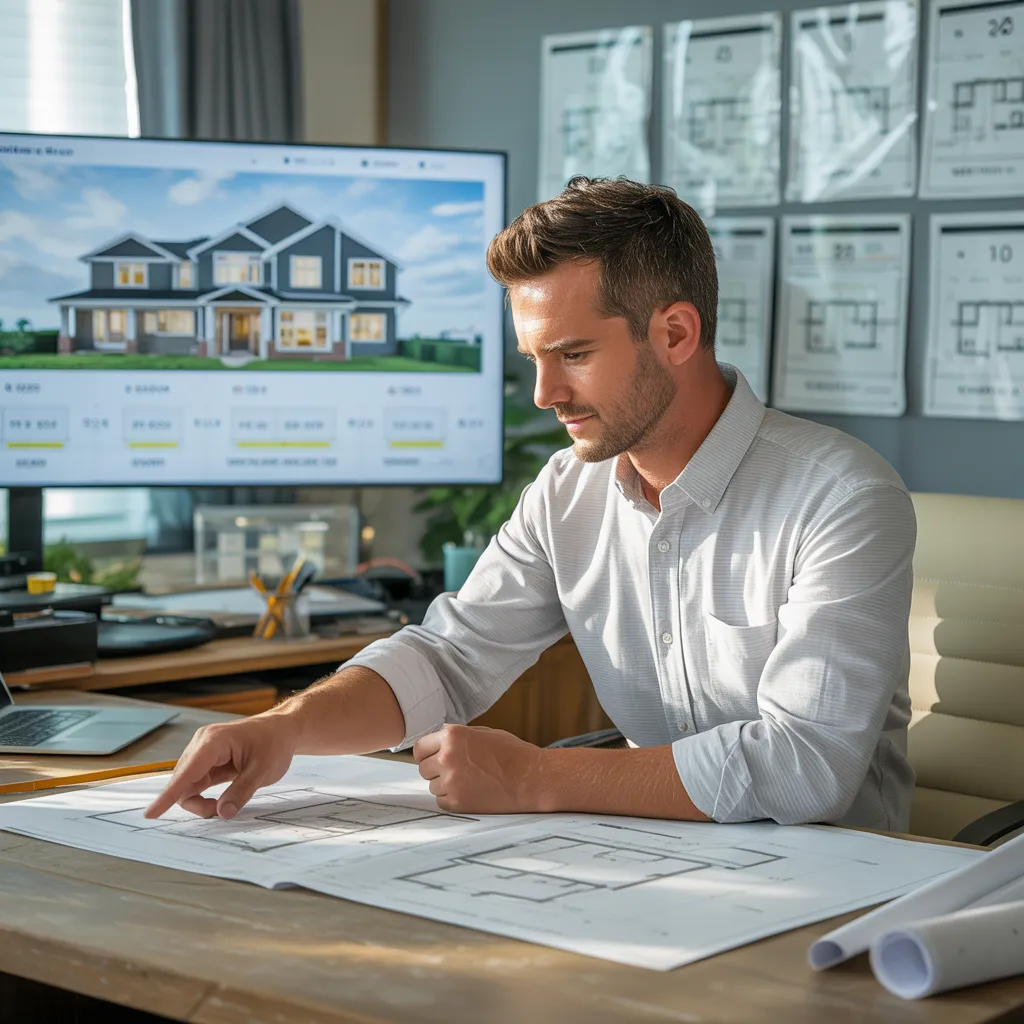
Essential Characteristics of a Trustworthy Home Contractor
When selecting a home builder, comprehending the important traits that characterize a trustworthy professional is essential. Honesty leads the way; a dependable builder maintains openness in all dealings, guaranteeing clients are well-informed and at ease throughout the process. Expertise also matters significantly; experienced builders possess the expertise to handle difficulties successfully and can guide clients through intricate design and regulatory matters.
Additionally, effective communication abilities are required, as they support clear communication and rapid replies to client inquiries. A established contractor should also demonstrate a dedication to high standards, using robust materials and expert craftsmanship to secure lasting results. Finally, positive client testimonials and a solid portfolio reflect a contractor's standing and consistency. By recognizing these key qualities, customers can choose intelligently and select a builder who matches their vision and values.
Primary Features a Quality Home Builder Ought to Provide
A quality home builder furnishes a array of critical services that guarantee a seamless and prosperous construction process. First, they deliver extensive design and planning services, which encompass consultations to comprehend the client's vision and preferences. This guarantees that the project aligns with the homeowner's expectations from the outset.
Moreover, a credible builder administers all mandatory permits and legal compliance, facilitating the often complex legal requirements of construction. They also extend project oversight services, managing subcontractors, materials, and timelines skillfully to reduce delays and disruptions.
Furthermore, quality home builders often offer transparent budgeting and cost estimation, allowing clients to choose wisely throughout the project. After construction, many builders deliver services such as warranties and post-construction support, guaranteeing lasting contentment. By offering these vital offerings, a reliable home builder plays a crucial part in converting a vision endeavor into a reality.
Key Criteria for Assessing a Builder's Track Record
When assessing a builder's portfolio, multiple important criteria stand out as critical markers of quality. Diverse project types and scale, craftsmanship, and aesthetic uniformity play crucial parts in determining a constructor's ability to meet diverse client needs. These factors collectively provide insight into the builder's experience and overall design philosophy.
Project Scope and Variety
Project variety and extent function as key indicators in assessing a builder's portfolio. A diverse scope of projects exhibits the builder's adaptability and know-how in handling different designs and requirements. This includes residential homes, renovations, and commercial spaces, highlighting the builder's capability to accommodate varied client needs. Reviewing the scope also involves considering project sizes, from small-scale remodels to large custom builds. A builder with experience across multiple project types shows a thorough understanding of industry standards and challenges. In addition, a well-rounded portfolio reflects a builder's ability to innovate and customize solutions, ensuring they can bring a client's vision to life, no matter the complexity or scale. This variety ultimately enhances a builder's reputation and reliability.
Excellence in Craftsmanship
The standard of craftsmanship is a fundamental criterion in evaluating a builder’s portfolio, reflecting the ability and careful attention to detail behind their work. Prospective homeowners should attentively review completed projects, noting the precision of finishes, structural soundness, and overall aesthetics. High-grade craftsmanship typically displays excellent materials and techniques, clear in smooth surfaces, precisely positioned fixtures, and sturdy installations. Builders prioritizing craftsmanship generally commit to excellence, ensuring that every part meets high benchmarks. Additionally, client feedback can provide insights into the builder's reliability and commitment to quality. By considering craftsmanship, homeowners can make informed decisions, ensuring their chosen builder aligns with their vision for a well-executed project.
Visual Design Consistency
Design consistency and aesthetic appeal are vital elements in evaluating a builder's portfolio, as they illustrate the overall concept and aesthetic consistency of completed projects. A portfolio presenting varied designs may suggest versatility; however, it should still maintain a recognizable style that corresponds to the builder's brand. Clients should search for balanced color palettes, complementary materials, and cohesive design elements across different homes. Careful attention in design aspects, such as trim and lighting, further illustrates a builder's devotion to consistent style. Additionally, examining how a builder adapts their design principles while still creating a cohesive look across multiple projects can provide insight into their creative capabilities. Ultimately, design consistency assures clients that their vision will be executed seamlessly.
Why Plain Speaking Is Crucial in Home Building
Communication that is lucid is fundamental in home building, as it provides the foundation for setting forth expectations among all stakeholders. When difficulties emerge, effective dialogue expedites quick problem-solving, curtailing delays and confusion. Moreover, transparent communication strengthens relationships grounded in trust, which are vital for successful project completion.
Establishing Expectations Explicitly
In the home building process, effective communication is indispensable as it forms the foundation for a successful project. It is essential to establish clear expectations between homeowners and builders to avoid misunderstandings. This entails laying out timelines, budget constraints, and design preferences from the start. When expectations are communicated effectively, both parties can align their visions and objectives, which leads to a smoother workflow. Transparency is encouraged through regular updates and open dialogue, allowing homeowners to stay involved and informed throughout the project. Moreover, clear expectations enable builders to manage resources more efficiently, minimizing delays and potential conflicts. By putting clear communication first, homeowners and builders can collaborate to bring the dream project to life without unnecessary complications. Ultimately, this approach = enhances satisfaction and trust in the home building experience.
Expediting Prompt Obstacle Resolution
Managing the challenges of home building regularly calls for swift decision-making and problem-solving. Open communication among builders, clients, and subcontractors is necessary for managing unexpected challenges efficiently. When difficulties emerge, timely and clear dialogue makes possible immediate problem detection, cutting delays and lowering stress. Builders who prioritize open lines of communication can quickly relay information, ensuring that all parties are aligned on solutions. This proactive approach not only facilitates rapid resolutions but also empowers clients to make informed choices. By fostering a culture of clear communication, home builders enhance their ability to navigate obstacles effectively, ultimately contributing to the successful completion of projects and the satisfaction of all stakeholders involved.
Enhancing Reliable Relationships
Building assurance among all members in home construction copyrights on consistent communication. Clear dialogue promotes collaboration between homeowners, builders, and subcontractors, ensuring that everyone is aligned on project goals and expectations. Regular updates and open channels for feedback enable the timely resolution of concerns, lessening misunderstandings. When builders outline timelines, budgets, and potential obstacles comprehensive guide transparently, homeowners feel more secure in their investments. Additionally, establishing rapport encourages a cooperative atmosphere, which can lead to innovative solutions and creative input. Ultimately, by prioritizing effective communication, all stakeholders can forge stronger relationships, paving the way for successful projects and satisfied clients. This trust enhances the overall experience, making the home-building journey more enjoyable and less stressful.
Learning How to Budget Your Home Expenses Intelligently
How can property owners guarantee their financial situation correspond with their dream home aspirations? A well-structured budget is essential for making informed choices. First, property owners should assess their finances by calculating total earnings, existing liabilities, and regular spending. This assessment helps establish a realistic financial plan for home construction.
Next, creating a thorough list of expected costs is important. Homeowners should incorporate land acquisition, materials, labor, permits, and unexpected expenses, often known as a emergency budget. Establishing a ranked order for features can direct spending and ensure key components are funded first.
In addition, homeowners should explore funding possibilities, such as loans, grants, or savings, to attain vital finances. Regularly keeping track of expenses against the financial framework can help maintain fiscal accountability throughout the construction. By adhering to these plans, homeowners can effectively manage their monetary resources and bring their dream home to fruition without overspending.
Information to Consider About the Residential Construction Procedure
As homeowners begin the mission of establishing their ideal residence, understanding the multiple steps of the construction journey is necessary for a positive result. The process typically begins with pre-construction planning, where homeowners work with builders to finalize plans, costs, and schedules.
Once plans are approved, the groundwork starts, which encompasses site preparation and laying the foundation. Following this, the framing phase creates the structure of the home, allowing for a better vision of the final product. After framing, systems such as pipe work, wiring, and HVAC get installed.
Following this, interior and exterior finishes are put in place, transforming the space into a functional residence. The concluding stage requires inspections and securing required permits before completion. During this undertaking, clear dialogue with contractors makes certain that the project remains on schedule, matching the property owners' goals and desires.
Frequently Posed Questions
What Should I Think About When Selecting a Home Builder for My Project?
To choose the ideal home builder, one should research their track record, review past projects, confirm licenses and insurance, evaluate interaction styles, and get comprehensive quotes. Direct recommendations and web-based reviews can also offer valuable information.
What Protection Do Home Builders Commonly Offer?
Home builders typically offer warranties that cover structural problems, work quality, and materials. Common lengths range from one to ten years, ensuring protection against significant issues arising after construction, fostering purchaser trust and satisfaction.
Can I Make Modifications During the Building Process?
Changes during the construction timeline are often doable, but they may depend on the contract and stage of construction. Homeowners should liaise with builders promptly to discuss options and any potential impacts on timelines and costs.
How much time Does a Standard Home Construction Take?
A common home project generally takes six to twelve months, based on multiple elements such as architectural intricacy, ground circumstances, and weather. Delays can occur, affecting the overall schedule of the building project.
What ought to I take action if problems Arise During Construction?
If complications develop during the building process, the property owner should record the issues, communicate promptly with the builder, and find a solution. If necessary, seeking legal advice or a neutral third party may assist in resolving significant disputes successfully.
Comments on “Reliable Tallaksen Builders for Home Improvements and Remodeling Projects”